

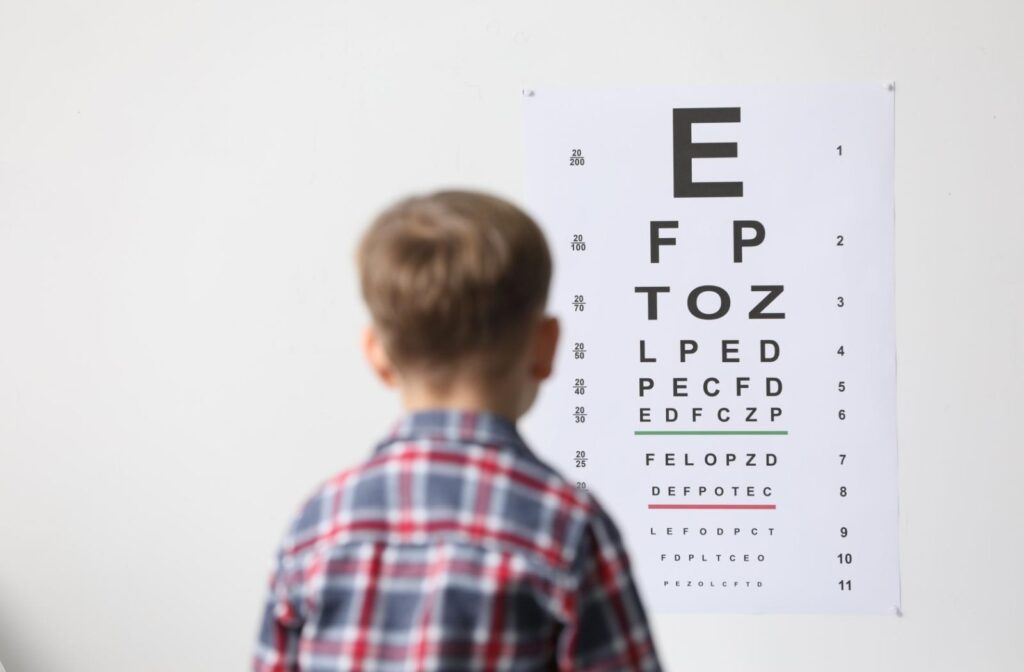
Maybe you took your child to the optometrist after their teacher told you that they were squinting to see the whiteboard in school. At Total Vision Ladera Ranch, our team understands that if you’ve been told your child has myopia, you may feel overwhelmed and have no idea where to begin asking questions.
This guide is designed to help. Asking the eye doctor about genetics, daily screen habits, and treatment options can help you understand myopia and support your child’s visual health.
Key Takeaways
- Genetics and other external factors can contribute to the risk of developing myopia in kids.
- Signs that your child is having difficulty seeing distant objects, such as squinting and sitting close to the TV, may indicate myopia.
- Special contacts and eye drops offer ways to slow down the progression of myopia.
- Glasses can correct their vision without addressing the cause of myopia.
- Outdoor playtime and routine visual breaks can help support your child’s long-term eye health.
What Is Myopia and What Causes It?
An Overview of Myopia
Myopia, commonly called nearsightedness, can happen when the eyeball grows too long from front to back. This causes light to focus just in front of the retina (at the back of the eye) instead of on it, which means distant objects appear blurry, but close-up objects are clear.
Myopia commonly shows up in kids when they’re growing very quickly. As they grow older, their eyes can continue to grow too long, so their prescription can get stronger before generally leveling out in the late teens or early twenties.
Do Kids Inherit Their Parents’ Eyesight?
Genetics are a key factor in a child’s risk of developing myopia. If one or both parents have nearsightedness, your child may have a higher risk of developing myopia as well. That doesn’t mean they’re destined to have blurry distance vision, as other factors can also affect the risk.
How Does Screen Time Affect Vision?
Between school, homework, and entertainment, many children spend hours each day looking at screens. This constant close-up focus may increase the risk of developing myopia. While screen use isn’t the only factor involved, researchers believe that extended periods of near work may play a role in how children’s eyes develop over time.
That’s why many parents ask about healthy screen habits after a myopia diagnosis. Regular breaks, outdoor play, and routine eye exams can all be important parts of supporting your child’s long-term visual health.
What Are the Signs of Nearsightedness?
Because children don’t know what clear vision is supposed to look like, they may not tell you that they’re having trouble seeing. Instead, kids are excellent at adapting to their environment to help them see. If you spot any of these behaviors, it may be time to schedule an eye exam for your child:
- Squinting or rubbing their eyes frequently
- Sitting very close to the TV or holding books right up to their nose
- Other signs of visual discomfort, like frequent headaches after school
What Treatments and Solutions Help Nearsighted Kids?
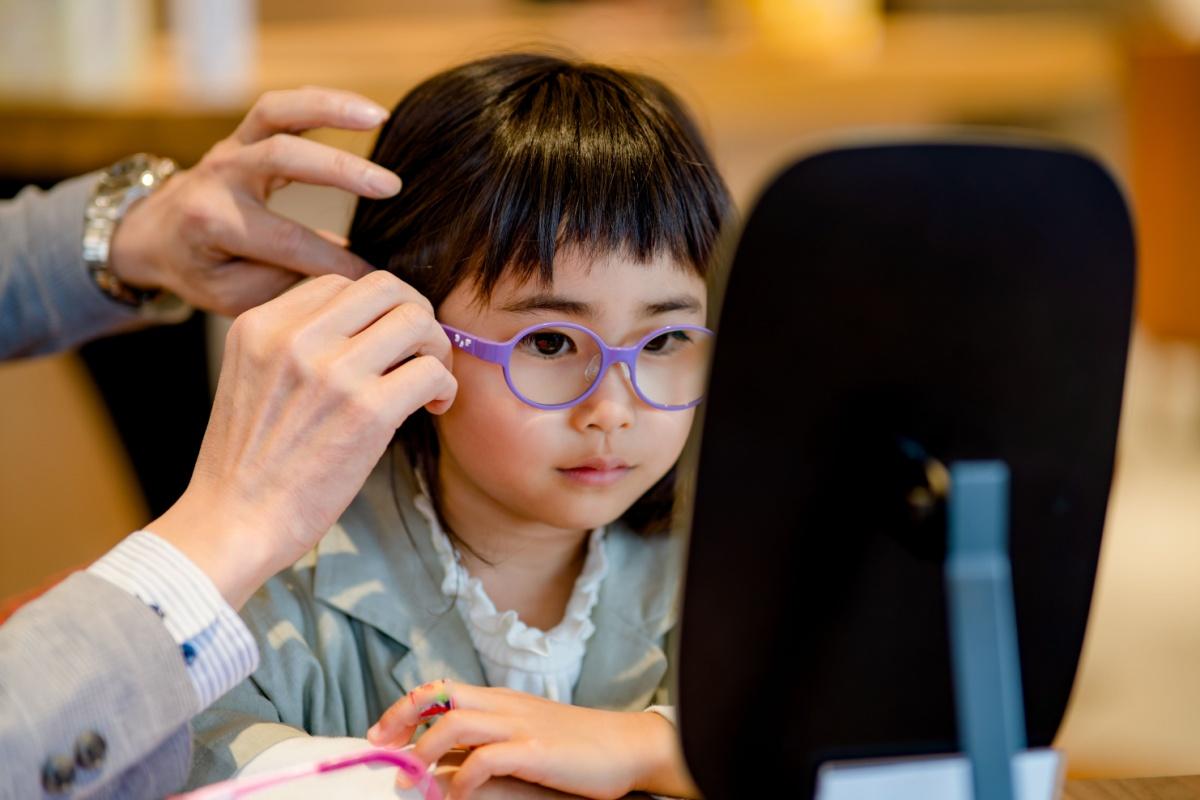
Traditional glasses help your child by correcting their vision so they can see, but they don’t address the cause of myopia, which is the eyeball growing too long. There are treatments, however, that do address this growth and can help slow the progression of myopia.
How Do Special Contacts Work?
Special soft contact lenses are one of several options used in myopia management. These lenses are worn during the day to correct vision and have been shown to help slow the progression of myopia in some children. For many families, they offer the convenience of vision correction and myopia management in a single treatment.
Because contact lenses require proper hygiene and handling, they are often well-suited for children who are ready to follow a consistent care routine. Your eye doctor can help determine whether contact lenses are an appropriate option for your child based on your child’s age, maturity, and visual needs.
What Are Atropine Eye Drops?
Low-dose atropine eye drops are another option used in myopia management. Research has shown that they can help slow the progression of myopia in some children, particularly when used consistently over time. Because the drops are typically used once daily and don’t require your child to wear contact lenses, some families find them to be a convenient option. Your eye doctor can help determine whether atropine eye drops are appropriate based on your child’s age, prescription, and overall eye health.
What Are the Benefits of Glasses?
If myopia is making it difficult for your child to see clearly at school, during sports, or in everyday life, glasses can help provide the clear vision they need to learn, play, and feel confident.
While glasses correct vision, they don’t typically address the underlying progression of myopia. Your eye doctor can discuss whether additional myopia management options may be beneficial for your child’s long-term eye health.
Habits to Support Eyes at Home
What Is the 20-20-20 Rule?
Long periods of screen time quickly tire anyone’s eyes, not just kids. Taking a quick break from constantly staring can help give your whole family’s eyes the rest they need.
The 20-20-20 rule is a great guideline to try to follow: Every 20 minutes, look at something 20 feet away for 20 seconds. This gives your eyes a break and can help improve your comfort.
Why Does Outdoor Time Matter?
Research suggests that spending more time outdoors may help reduce a child’s risk of developing myopia. This could be attributed to the natural light and opportunities to focus on distant objects, which appear to support healthy visual development.
Encouraging your child to spend time outside each day can be a simple way to support their overall eye health. Combined with regular eye exams and healthy screen habits, outdoor play can be an important part of a myopia management plan.
Myopia Control in Ladera Ranch
A diagnosis of myopia can raise a lot of questions, but understanding your child’s options is the first step toward protecting their long-term vision. At Total Vision Ladera Ranch, our team is here to guide you through every stage of your child’s eye care journey. Whether you’re interested in learning more about myopia control or scheduling a comprehensive eye exam, we’re here to help. Book an appointment today.