

Key Takeaways
- Let your child pick their own frames to boost their confidence and willingness to wear them.
- Mild headaches, slight blurriness, and dizziness are normal during the first week or two.
- Putting glasses on first thing in the morning helps build a consistent daily habit.
- Proper fit and regular cleaning keep glasses comfortable and lasting longer.
- Positive reinforcement and regular eye exams support long-term success.
Your Child Got Glasses. Now What?
Your child just got their first pair of glasses, and you’re hoping the transition goes smoothly. Maybe they’re excited. Maybe they’re not. Either way, the first few weeks can be an adjustment for the whole family.
The good news is that, with a little patience, the right fit, and some simple daily habits, most kids settle into wearing glasses comfortably within a couple of weeks. Our team at Total Vision Ladera Ranch is here to make that process a little easier.
Let Your Child Have a Say in Their Frames
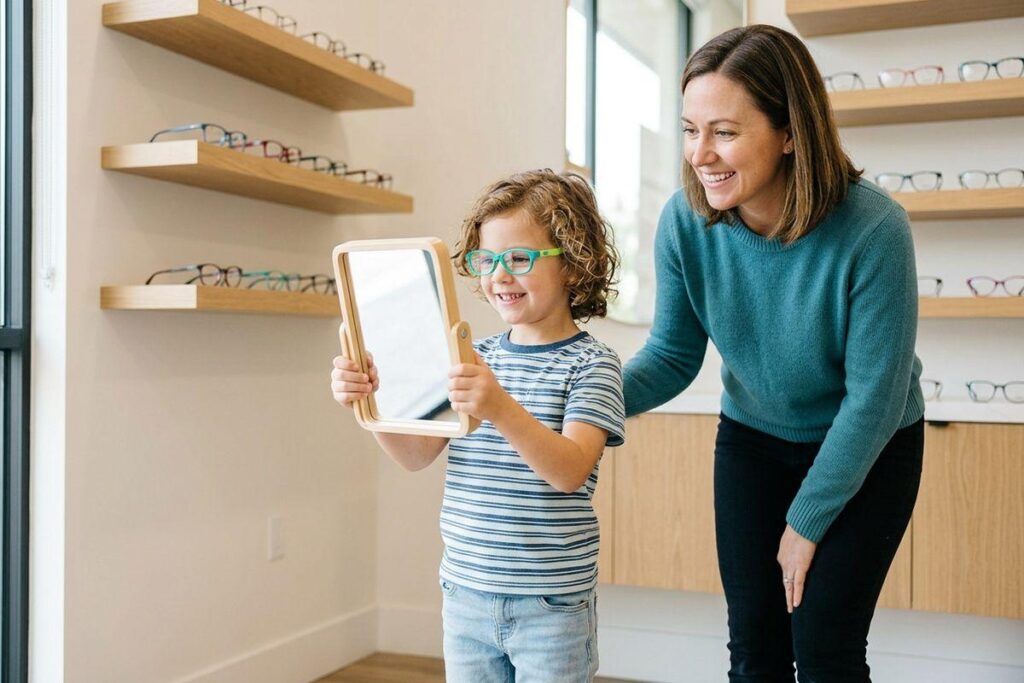
Kids are much more likely to wear frames they choose themselves.
Take them along to pick frames. Let them land on a color or style they genuinely like, and don’t forget about the case. A case they’re excited about makes glasses feel less like a chore. Just make sure that the frames they pick fit properly, as frames that look great but slide down their nose won’t stay on for long.
You can browse our popular eyewear brands and lens options to get a sense of what’s available.
What to Expect During the First Few Days
Common Adjustment Symptoms
New glasses change how the eyes process light, and the brain needs time to catch up. It’s normal for your child to experience some discomfort at first. Common discomforts during the first week include:
- Headaches or eye strain, especially toward the end of the day.
- Slightly distorted or blurry vision.
- Mild dizziness or changes in depth perception when moving around.
These aren’t signs that something is wrong. They’re signs that your child’s visual system is recalibrating.
How Long Does Adjustment Take?
Most kids adapt within a few days to a couple of weeks. If symptoms like headaches or blurry vision stick around past that 2-week mark, it’s worth checking in with your eye doctor. Your child’s prescription may need a small tweak, or the fit of their frames might need adjusting. Regular pediatric eye exams make it easier to catch these kinds of changes before they become a bigger issue.
Tips to Make Glasses a Daily Habit
Start the Day With Glasses On
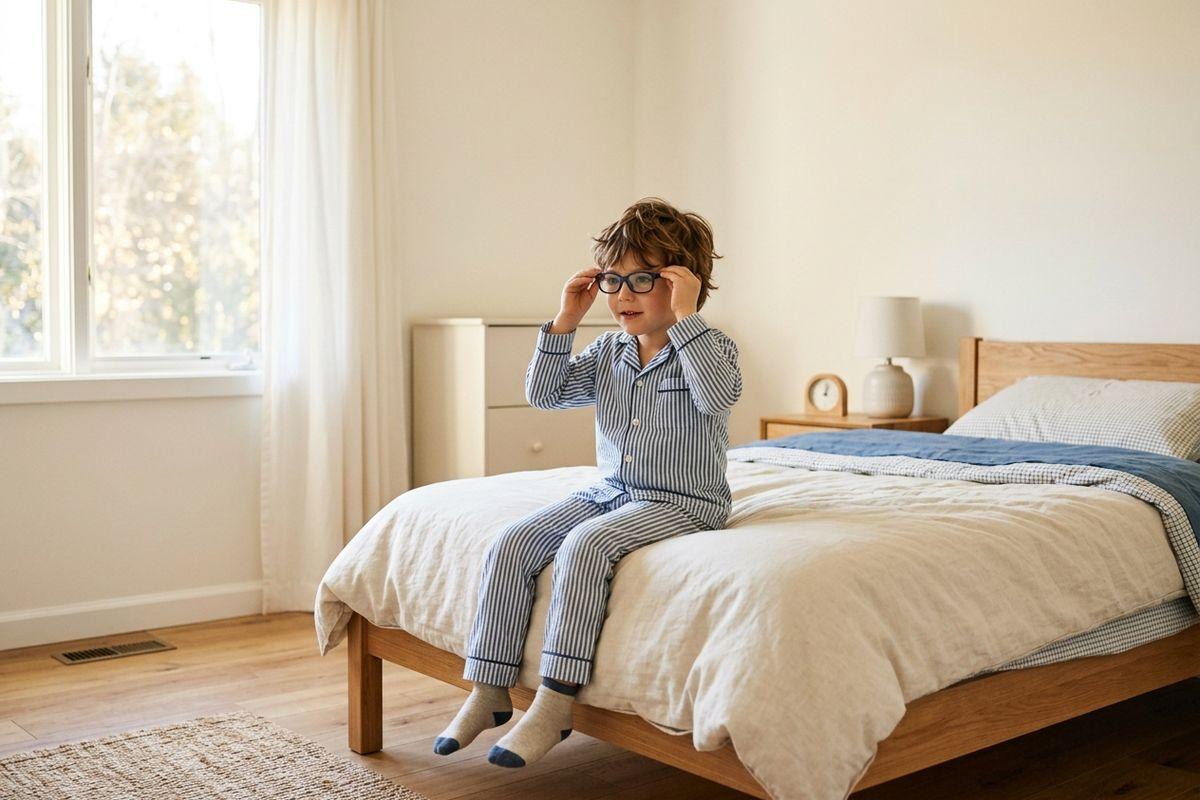
The single most effective habit you can build is simple: glasses go on first thing in the morning, as your child gets dressed. When wearing glasses becomes part of their morning routine from day one, it stops feeling optional.
Try to avoid letting your child switch back and forth between an old pair and their new one. Consistently wearing their new prescription helps their eyes adjust faster.
Keep Glasses on During the Day
Short breaks are fine, but long stretches without glasses slow down the adjustment process. The more your child wears their glasses, the faster their eyes and brain learn to work with the new correction.
Glasses Fit & Care for Kids
Getting the Right Fit
A well-fitting frame makes a real difference. Glasses that pinch behind the ears, slip down the nose, or press too tightly on the sides will be uncomfortable enough that your child won’t want to wear them. The frames of their glasses should rest gently on their nose and should stay in place during normal movement.
For active kids, silicone ear grips are a practical option that help keep glasses in place during sports, outdoor play, or while running around the yard.
Keeping Glasses Clean & Safe
Dirty lenses make everything harder to see. A quick daily clean with dish soap, warm water, and a microfiber cloth keeps lenses clear without scratching them. When glasses aren’t being worn, they belong in their case, not face-down on a table or dropped in a backpack. If your child’s lenses do pick up scratches over time, it’s worth knowing that DIY scratch removal methods can do more harm than good.
Support & Encouragement Go a Long Way
It helps to offer a compliment when your child puts their glasses on without being reminded. Kids respond to positive feedback, and small, consistent encouragement helps glasses feel like a normal, accepted part of their day.
Small rewards tied to consistent wear can also help in those early weeks. You just need to do enough to make the habit feel worthwhile while it’s still forming.
Beyond daily routines, keeping up with regular eye exams matters. Vision changes quickly in growing children, and an eye doctor in Ladera Ranch can monitor your child’s prescription and catch any shifts early. In fact, our team at Total Vision Ladera Ranch is ready to support your child at every stage, from that first pair of frames to ongoing eye health as they grow.
Reach out today to schedule an appointment.