

Key Takeaways
- A contact lens exam goes beyond a regular eye exam to check fit, corneal shape, and tear film.
- Your lifestyle, including screen time and sports, affects which lens type works for you.
- Trial lenses let you test comfort and clarity before your prescription is finalized.
- Certain eye conditions may affect whether contacts are a good fit for you.
- Annual exams keep your prescription current as your eyes change over time.
What You Need to Know Before Your First Contact Lens Exam
Switching to contacts, or even getting your first pair, can feel like a big step. You might be wondering what the appointment actually involves or how it differs from the eye exam you already get each year. The good news is that the process is straightforward, and knowing what to expect makes it a lot easier.
A contact lens exam covers your overall eye health and takes additional measurements to find lenses that fit your eyes comfortably and give you clear vision. Here’s a closer look at what happens from start to finish at Total Vision Ladera Ranch, where we offer contact lens exams and fittings for patients at every stage of life.
A Contact Lens Exam vs. a Regular Eye Exam
A regular eye exam checks your vision, eye health, and whether your prescription has changed. A contact lens exam builds on that foundation by adding a few steps specific to contact lens wear, like measuring your cornea and evaluating how well your eyes stay lubricated.
Think of it this way: a regular exam tells your eye doctor how well you see. A contact lens exam determines which lenses you can wear safely and comfortably. You typically need both kinds of exams, and they usually happen during the same visit.
What Happens During Your Contact Lens Exam
Eye Health and Vision Check
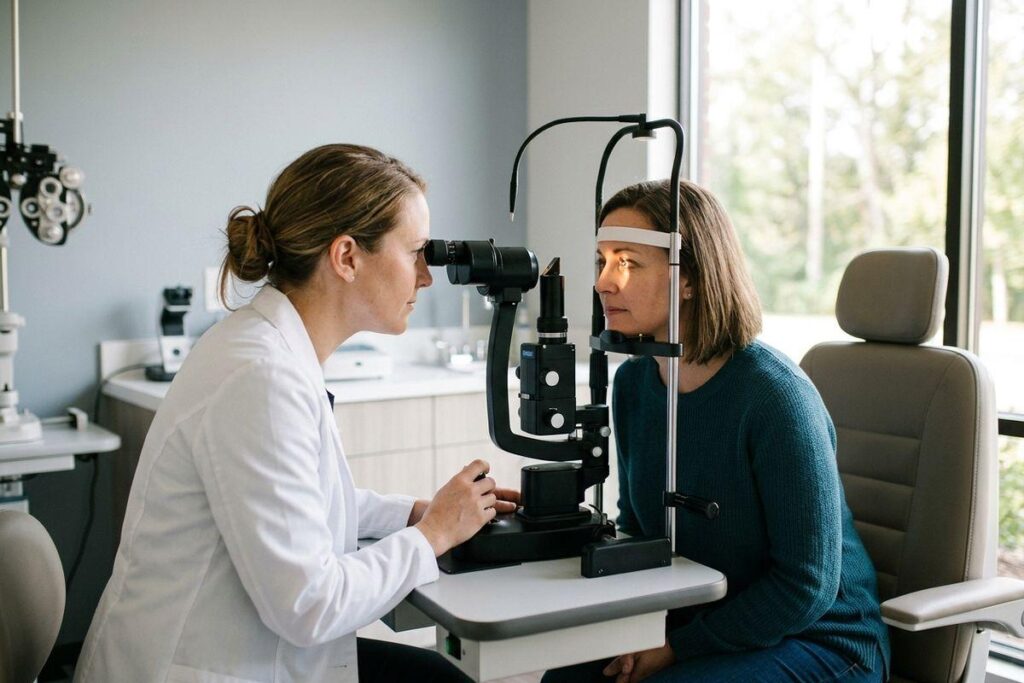
The exam starts with a look at your overall eye health. Your eye doctor checks for conditions like dry eye, signs of infection, and the condition of your cornea, since all of these affect whether contacts are comfortable and safe for you to wear. A refraction test follows, which determines your contact lens prescription. Note that this prescription is separate from your glasses prescription, even if your vision correction needs are similar.
Corneal Measurements & Tear Film
Contacts don’t sit in your eye the same way glasses sit on your face. Instead, they rest directly on the surface of your eye, which means that the shape and curvature of your cornea matter a lot. Your eye doctor will measure your eyes to find a lens that fits correctly and doesn’t move around too much.
Your tear film will also be evaluated. If your eyes don’t produce enough moisture, contacts can make your eyes more prone to dryness, so it’s important to take preventative steps like choosing lenses that are designed to hold moisture better.
Lifestyle Factors That Affect Lens Choice
There’s no single lens that works the same way for every person. Your eye doctor will ask about your daily habits, including how many hours you spend looking at screens, whether you play sports, and how often you’d realistically wear contacts. If you have astigmatism or are at the age where reading up close is getting harder, multifocal or toric lenses might be an option. The CDC outlines the main contact lens types if you’d like a general overview before your appointment.
The Contact Lens Fitting Process
Trial Lenses & Vision Check
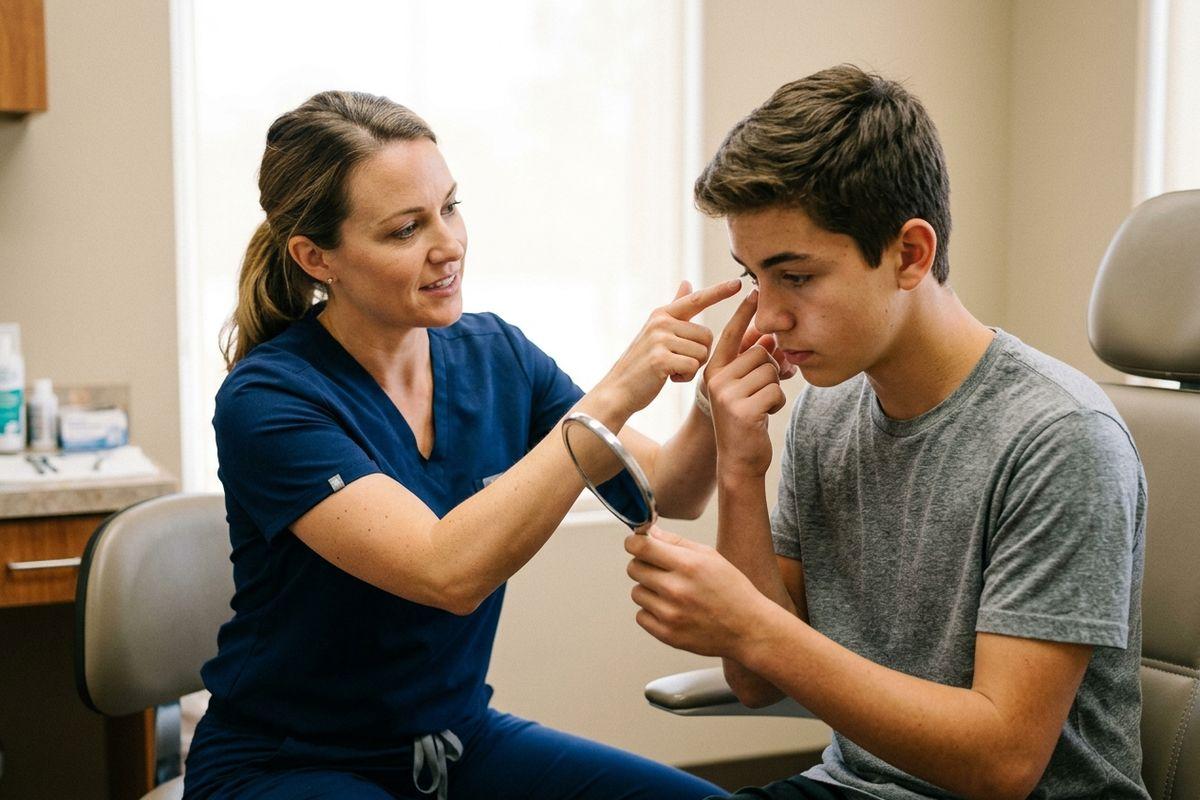
Once measurements are done, you’ll try on a pair of trial lenses right in the office. This isn’t just about whether you can see clearly. Your eye doctor uses a slit lamp, a low-power microscope with a bright light, to see exactly how the lens sits on your eye. Fit, centering, and movement all get checked before your prescription is finalized.
Wear & Care Instructions
If you’ve never worn contacts before, your team will walk you through inserting and removing lenses safely. It can feel awkward at first, but most people get the hang of it with a little practice. You’ll also get hygiene guidance, like how to clean your lenses, when to replace them, and which habits can reduce your risk of infection.
What Disqualifies You from Wearing Contacts
Contacts aren’t a fit for everyone, and that’s completely okay. Severe dry eye can make lens wear uncomfortable enough that glasses or other options work better for your eyes. Active eye infections or certain corneal conditions may also mean that contacts aren’t the right choice. Your eye doctor will review your eye health carefully before making any recommendation.
After Your Appointment: Next Steps
The Trial Period
You’ll typically wear trial lenses for 1–2 weeks before coming back for a follow-up. That window gives you real-world time to notice whether your lenses are comfortable and working as they should. Afterwards, you’ll have a follow-up visit, where your optometrist confirms that your lenses are working for you before finalizing your prescription.
How Often to Schedule Your Exam
Your eyes change gradually over time, often in ways you don’t notice until your vision feels slightly off. Annual contact lens exams keep your prescription current and help catch any changes in your vision.
Total Vision Ladera Ranch has been part of this community since 2004, and our team is ready to walk you through every step of your contact lens exam. Book your appointment today and find out which lenses are right for your eyes.